

LYCRA Partners Texhong to Scale Renewable Plant-Based Fiber for Sustainable Stretch Textiles
.webp)
Share Post
LYCRA and Texhong Join Hands for Bio-Based Textile Materials
In a major step toward sustainable textile innovation, global fiber technology leader The LYCRA Company has announced a strategic partnership with Texhong International Group Limited, one of the world’s leading suppliers of core-spun cotton yarns.
The agreement focuses on expanding the use of Renewable LYCRA® fiber, a next-generation elastane developed with plant-based raw materials. The signing ceremony took place in Shanghai, highlighting the importance of the Asian textile manufacturing ecosystem in scaling sustainable fiber innovations. This collaboration is expected to accelerate the adoption of bio-derived spandex fibers, especially in China’s large core-spun yarn sector, while supporting the textile industry's transition toward environmentally responsible materials.
Plant-Based Innovation Without Compromising Performance
The Renewable LYCRA® fiber represents a major material innovation, containing around 30% plant-based content derived partly from dent corn. Despite the shift toward renewable feedstocks, the fiber is engineered to maintain the same elasticity, durability and comfort associated with traditional LYCRA Fibers. Key features of Renewable LYCRA® fiber include:
- 30% plant-based raw material composition
- Comparable stretch and recovery performance
- High durability and wearer comfort
- Up to 32% reduction in carbon emissions
- Compatible with existing yarn spinning processes
- Suitable for core-spun yarn manufacturing
According to lifecycle assessment findings, the renewable version of the fiber can significantly reduce carbon emissions compared to fossil fuel-based elastane. This makes it an important development for brands seeking to reduce their environmental footprint without sacrificing product performance.
Scaling Bio-Derived Spandex for Global Apparel Markets
Under the partnership, Texhong will utilize its strong textile manufacturing infrastructure to develop customized yarns incorporating Renewable LYCRA® Fiber. The collaboration is expected to promote innovation across the textile value chain from raw material development to yarn engineering and apparel applications.
Expected benefits of the collaboration include:
- Expansion of bio-based spandex adoption
- Development of sustainable core-spun yarns
- Lower carbon footprint in textile production
- Innovation in yarn engineering and applications
- Strengthening sustainable textile supply chains
- Supporting global fashion sustainability goals
The two companies also plan to collaborate on future research into bio-based elastane technologies and fabric applications. Their long-standing relationship, including earlier collaborations on stretch fabric technologies, provides a strong foundation for further innovation. As sustainability becomes a defining factor in textile development, partnerships like this demonstrate how material science and industrial collaboration can help shape the next generation of eco-friendly performance textiles.
01:00 PM, Apr 06
.webp)


Industry Update
1.webp)
1.webp)






1.webp)


1.webp)

1.webp)


Uttar Pradesh’s New PM MITRA Textile Park Aims to Transform State into Major Textile Hub...view more


1.webp)
Punjab Eyes Green Transformation of Textile Processing Clusters to Attract Global Brands...view more

1.webp)


1.webp)

1.webp)


1.webp)
1.webp)

1.webp)
1.webp)


1.webp)
1.webp)



1.webp)
1.webp)


1.webp)


1.webp)
1.webp)


1.webp)

1.webp)


1.webp)


1.webp)
1.webp)
1.webp)


Kolkata Set to Become Textile Sourcing Hub as YARNEX and TEXINDIA Return in January 2026...view more
1.webp)
1.webp)


1.webp)


1.webp)


1.webp)

1.webp)
1.webp)

1.webp)


1.webp)

1.webp)


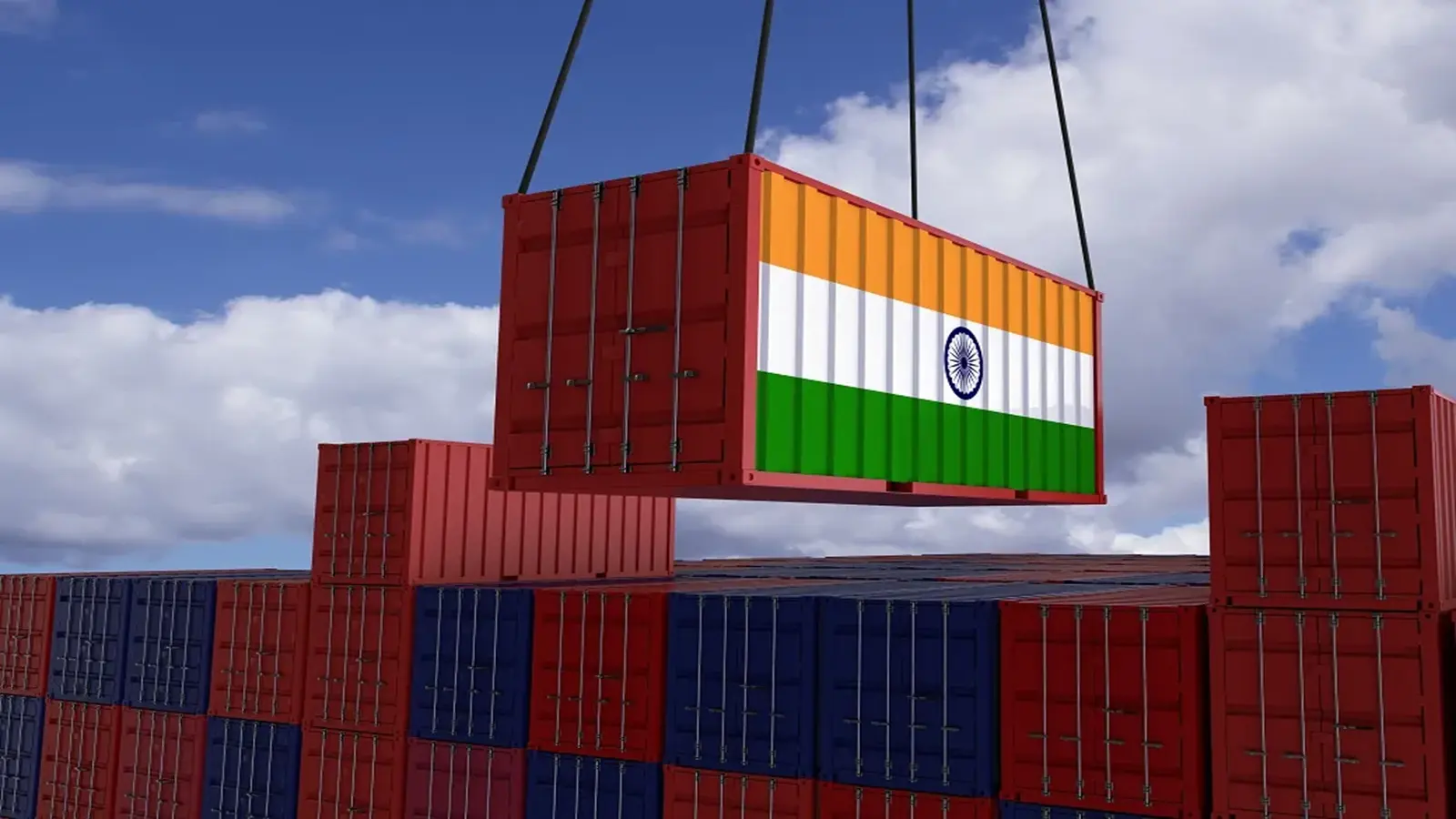
India Textile Industry 2025 Review: How US Tariffs Hit Exports, and the Road to Recovery...view more
1.webp)
1.webp)


1.webp)


1.webp)




1.webp)
1.webp)
1.webp)

1.webp)

1.webp)

.webp)


1.webp)

1.webp)




1.webp)










1.webp)

1.webp)


.webp)


1.webp)
1.webp)














.png)


.jpg)


1.jpeg)
