

US–Bangladesh Tariff Pact Brings Fresh Momentum to Garment Exports
.webp)
Share Post
A Deal That Eases Trade Pressures
After months of uncertainty, the United States and Bangladesh have signed a Reciprocal Tariff Agreement that promises meaningful relief for exporters. The agreement reduces US import duties on Bangladeshi goods to 19 per cent, easing cost pressures that had weighed heavily on shipments to Bangladesh’s largest export market. Signed in Dhaka after nine months of negotiations, the pact reflects a shared intent to stabilise trade ties at a time when global apparel supply chains remain under strain. For Bangladesh’s export-oriented economy, the move arrives as a timely reset. Lower tariffs are expected to restore order books, improve pricing flexibility, and offer exporters greater confidence in planning production for the US market.
Garment Sector Gains a Strategic Edge
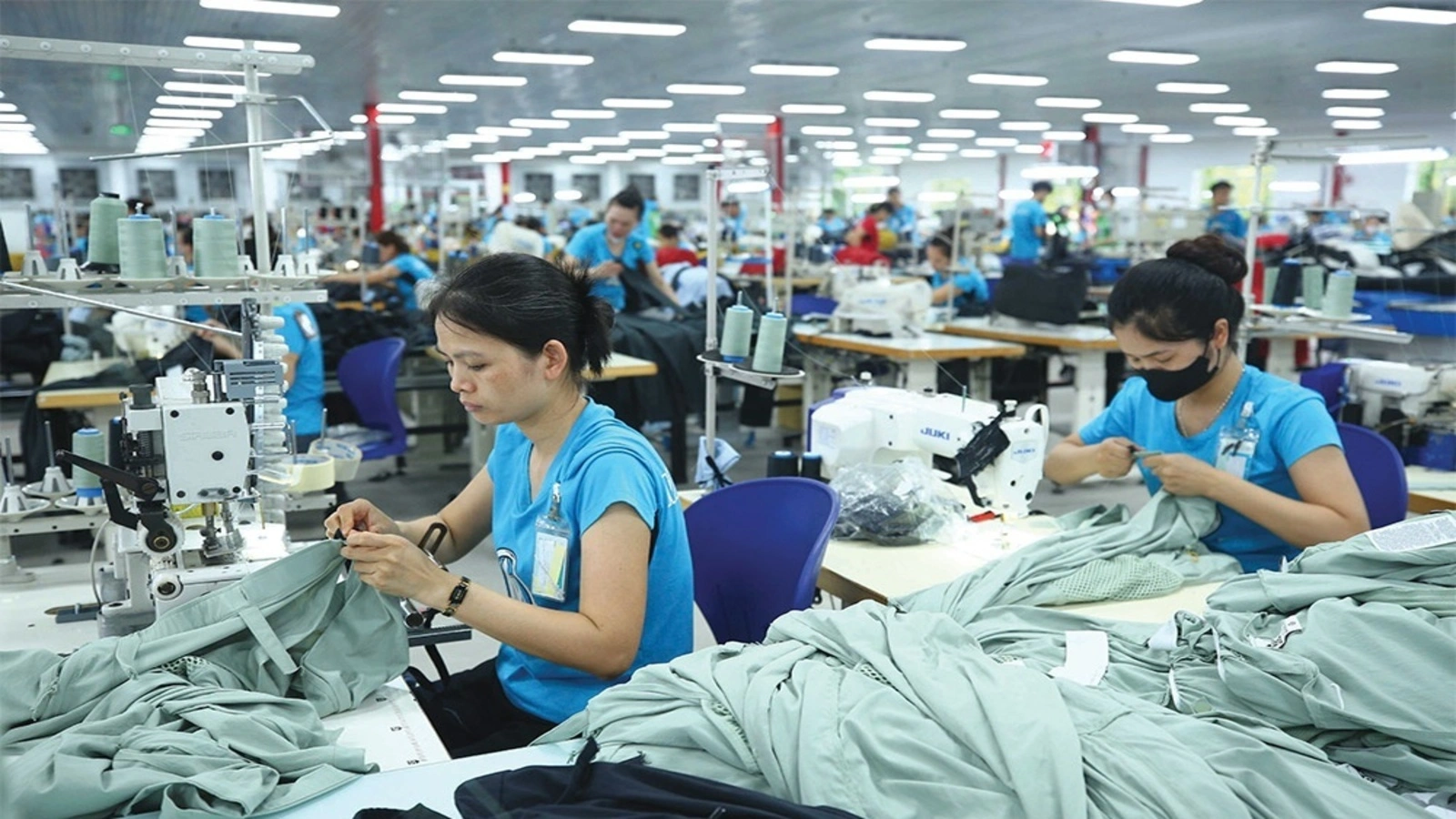
The apparel industry stands out as the biggest beneficiary of the agreement. In a significant boost, the deal allows zero-duty access for select textile and garment products manufactured using US cotton and Man-made fibres. This provision not only lowers costs but also strengthens Bangladesh’s competitiveness against rival sourcing destinations. Key advantages for the garment sector include:
- Reduced tariff burden on exports to the US
- Zero-duty access for qualifying apparel products
- Stronger integration with US fibre supply chains
- Improved margin stability for manufacturers
By encouraging the use of US-origin raw materials, the agreement also deepens bilateral supply chain linkages while offering Bangladeshi manufacturers a clearer cost advantage.
Jobs, Stability and Global Positioning
Beyond immediate trade relief, the tariff pact is expected to support employment, stabilise factory operations and reinforce Bangladesh’s role in global apparel sourcing. With the US remaining a cornerstone market, predictable tariff conditions help manufacturers safeguard jobs and sustain investment in capacity and compliance.
Signed by senior trade and security officials from both sides, the agreement signals renewed confidence in Bangladesh as a reliable apparel supplier. As global brands continue to rebalance sourcing strategies, the pact positions Bangladesh to retain its standing in the international garment value chain while navigating a challenging global trade environment.
04:08 PM, Feb 10
US–Bangladesh Tariff Pact Brings Fresh Momentum to Garment Exports
04:08 PM, Feb 10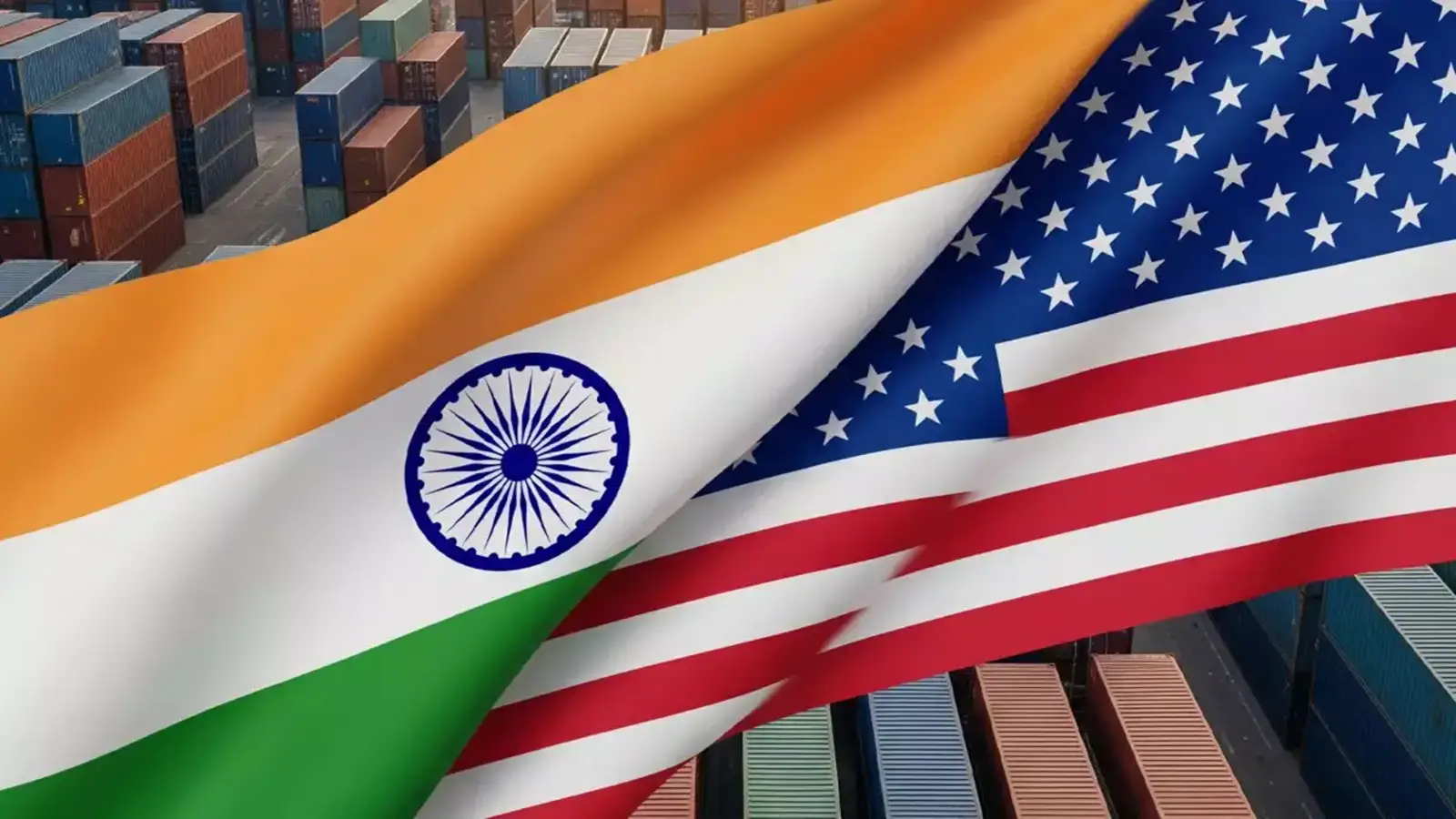



Industry Update
1.webp)



1.webp)
1.webp)


1.webp)


1.webp)
1.webp)


1.webp)

1.webp)


1.webp)


1.webp)
1.webp)
1.webp)


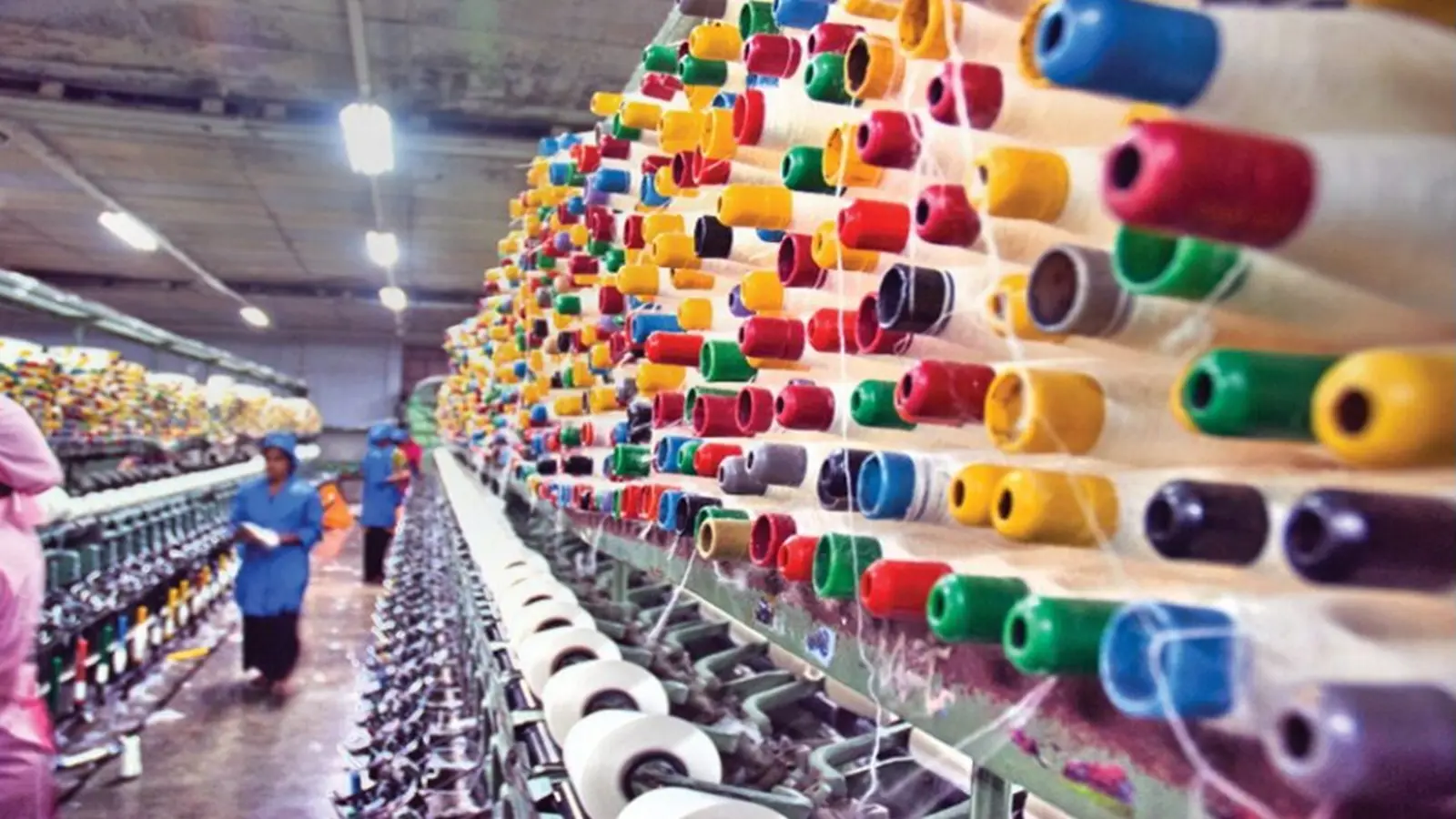
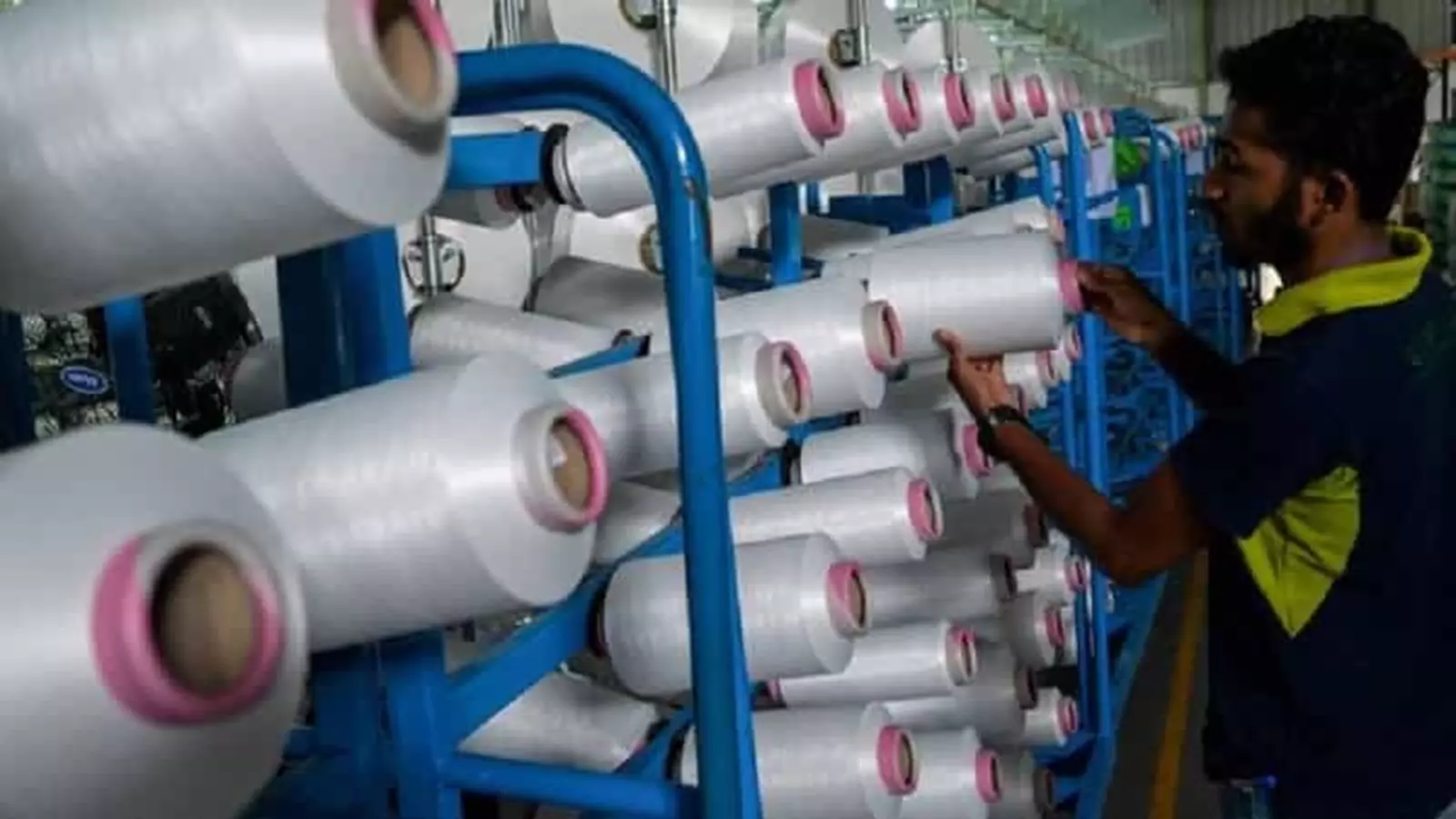
Kolkata Set to Become Textile Sourcing Hub as YARNEX and TEXINDIA Return in January 2026...view more
1.webp)
1.webp)


1.webp)


1.webp)


1.webp)

1.webp)
1.webp)

1.webp)


1.webp)

1.webp)


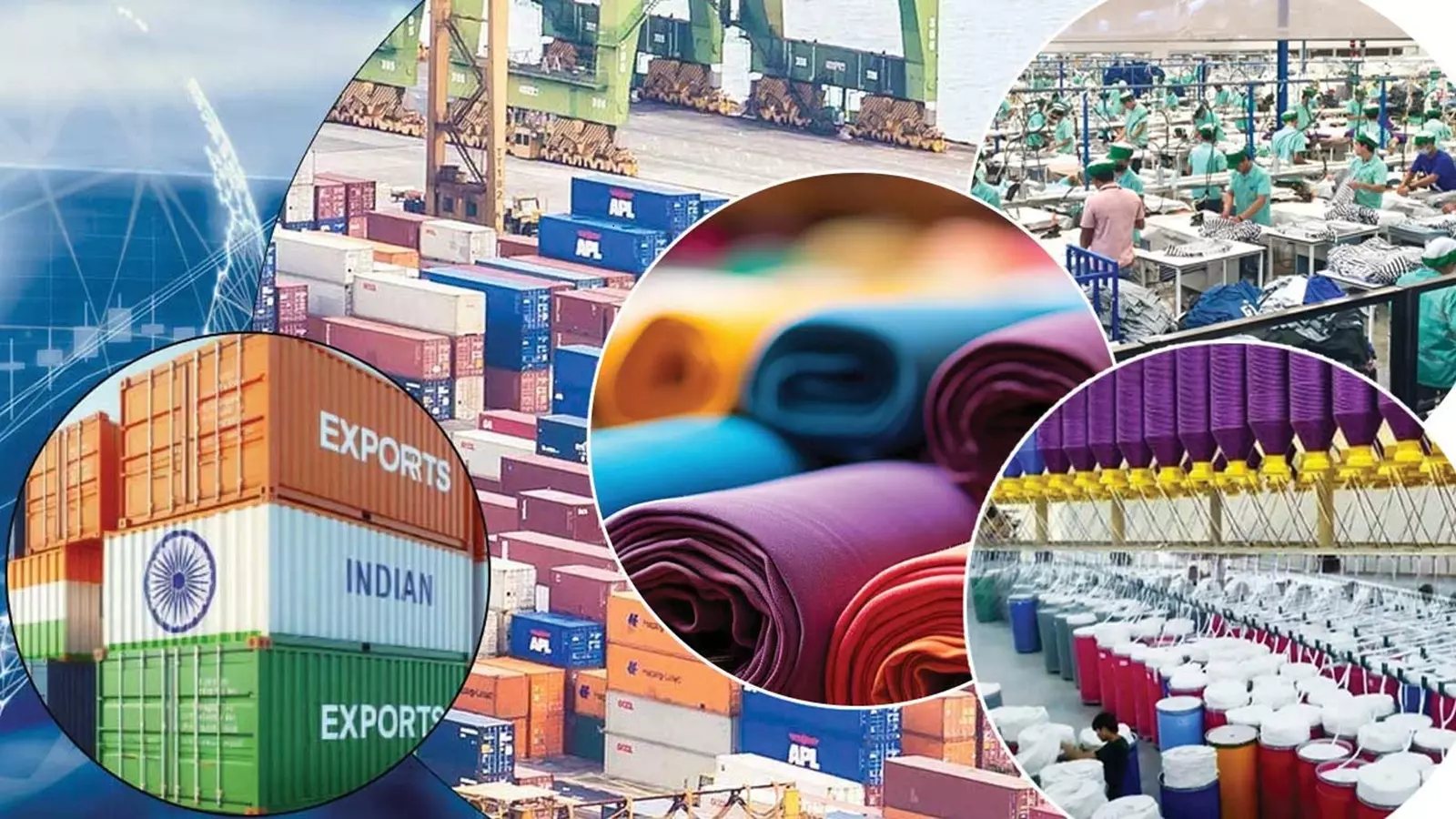
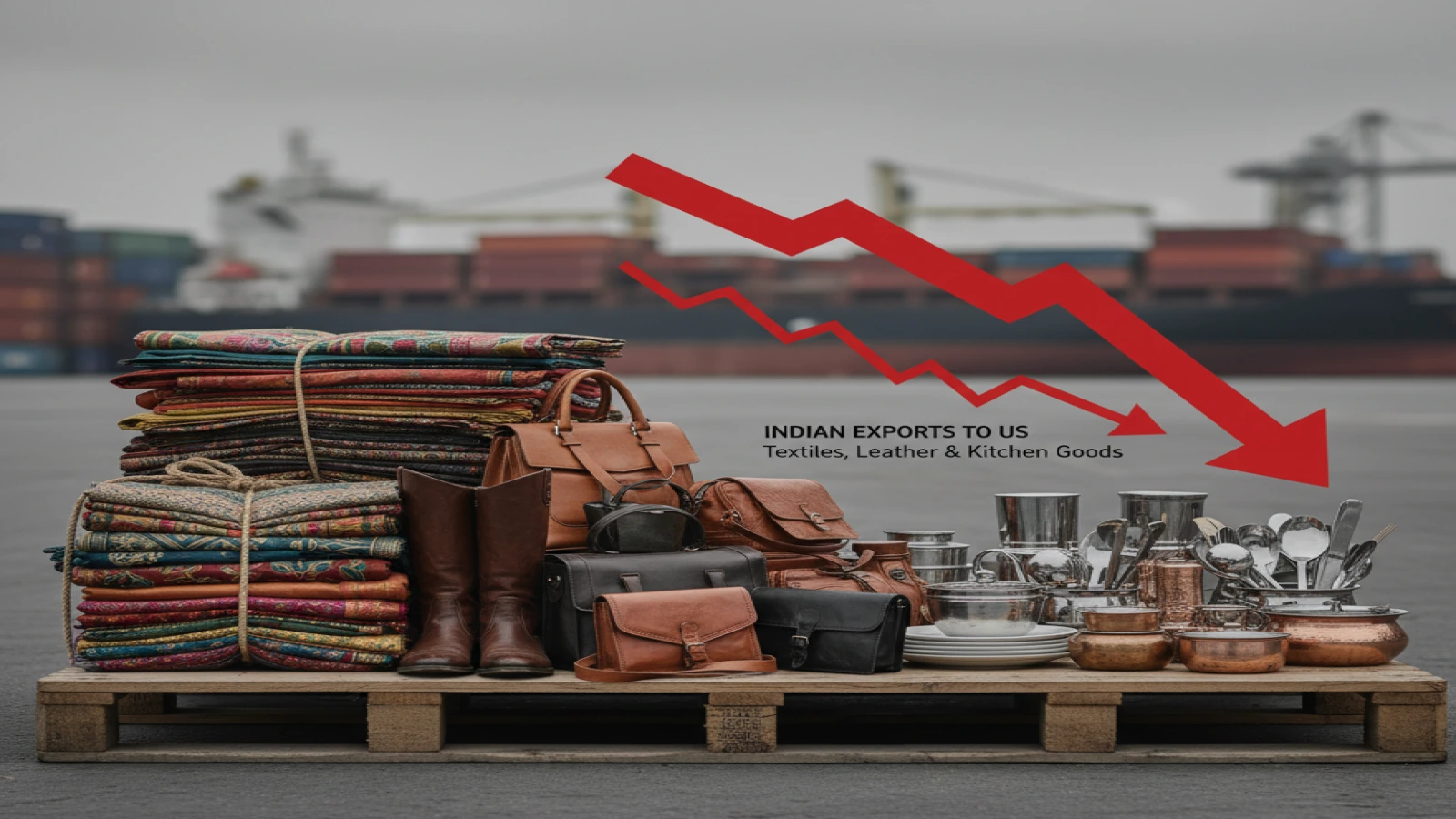
India Textile Industry 2025 Review: How US Tariffs Hit Exports, and the Road to Recovery...view more
1.webp)
1.webp)


1.webp)


1.webp)



1.webp)
1.webp)
1.webp)

1.webp)

1.webp)

.webp)



1.webp)

1.webp)





1.webp)








1.webp)
1.webp)


.webp)


1.webp)
1.webp)
















.png)


.jpg)


1.jpeg)
