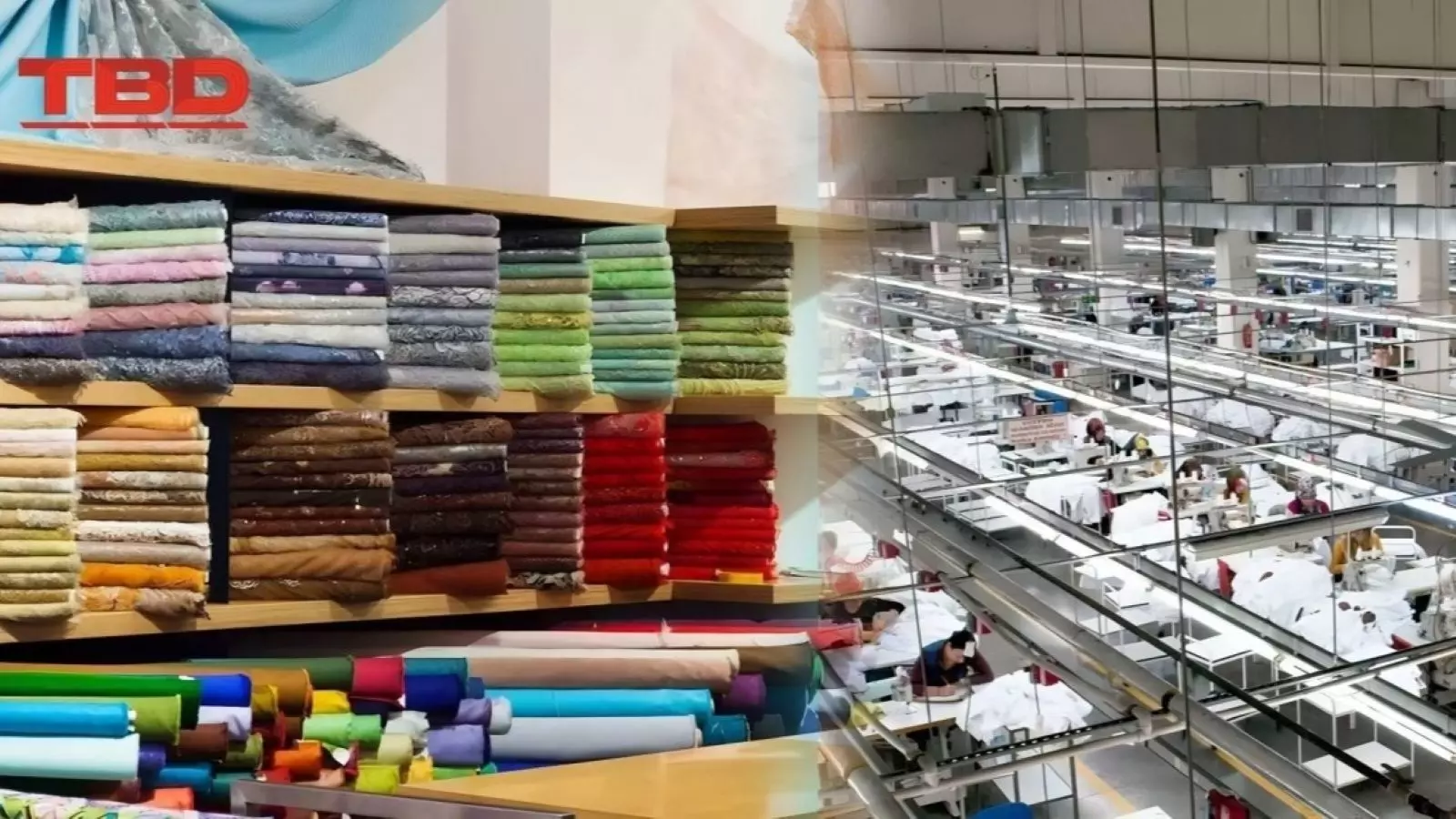
Global Textile Waste Hits 92 Million Tons as Industry Races Toward Recycling and Circular Solutions
.webp)
Share Post
The growing volume of textile waste represents one of the most pressing sustainability challenges facing the global fashion and textile industry. Increasing consumption levels, rapid fashion cycles and limited recycling infrastructure have contributed to a steady rise in post-consumer and Industrial Textile waste. As production volumes increase, the gap between waste generation and recycling capacity continues to widen, highlighting the need for systemic changes in how textiles are produced, consumed and disposed of.
The environmental implications of textile waste are significant. Textile manufacturing requires substantial water, energy and chemical resources, and improper disposal contributes to pollution and greenhouse gas emissions. Synthetic fibres, which dominate modern textile production, present additional challenges due to their long degradation periods and contribution to microplastic pollution. These environmental pressures are prompting industry stakeholders to explore sustainable waste management strategies.
Recycling is considered a key solution for reducing the environmental footprint of the textile sector. Mechanical recycling offers opportunities for fibre recovery from cotton and polyester, while chemical recycling technologies are being developed to address the challenges associated with blended materials. In addition, circular economy approaches such as reuse, resale and product life extension are gaining attention as effective strategies for waste reduction.
However, the transition toward circular textiles is not without challenges. High sorting costs, technological limitations and low consumer participation in recycling programs continue to limit progress. Addressing these barriers will require coordinated efforts from manufacturers, policymakers and consumers.
Looking ahead, technological advancements such as AI-based sorting systems and improved recycling technologies are expected to improve recovery rates. At the same time, increasing regulatory pressure and corporate sustainability commitments may accelerate adoption of circular practices. Overall, effective textile waste management will play a crucial role in reducing environmental impact and ensuring the long-term sustainability of the global textile industry.
03:17 PM, Apr 03




1.webp)
1.webp)








.png)




31.PNG)

31.PNG)


51.PNG)
41.PNG)


1.PNG)

1.PNG)