Surat Poised to Weave Export Gains as Bangladesh Textile Strike Threatens Supply Chains
.webp)
Share Post
Regional Disruption, Global Opportunity
The textile hubs of Surat are watching developments across the border with keen interest as an indefinite strike by textile mills in Bangladesh, scheduled to begin on 1 February, threatens to disrupt one of the world’s most important garment supply chains. For Indian manufacturers particularly those based in Gujarat’s polyester powerhouse this moment could translate into fresh export opportunities.
The strike, called by the Bangladesh Textile Mills Association (BTMA), is rooted in growing distress among domestic spinners. Mill owners argue that the duty-free import of low-cost Indian yarn has severely undercut local production, pushing many operations to the brink. With mounting financial pressure and fears of widespread shutdowns, uncertainty now hangs over Bangladesh’s textile ecosystem.
Why Surat Sees a Window Opening
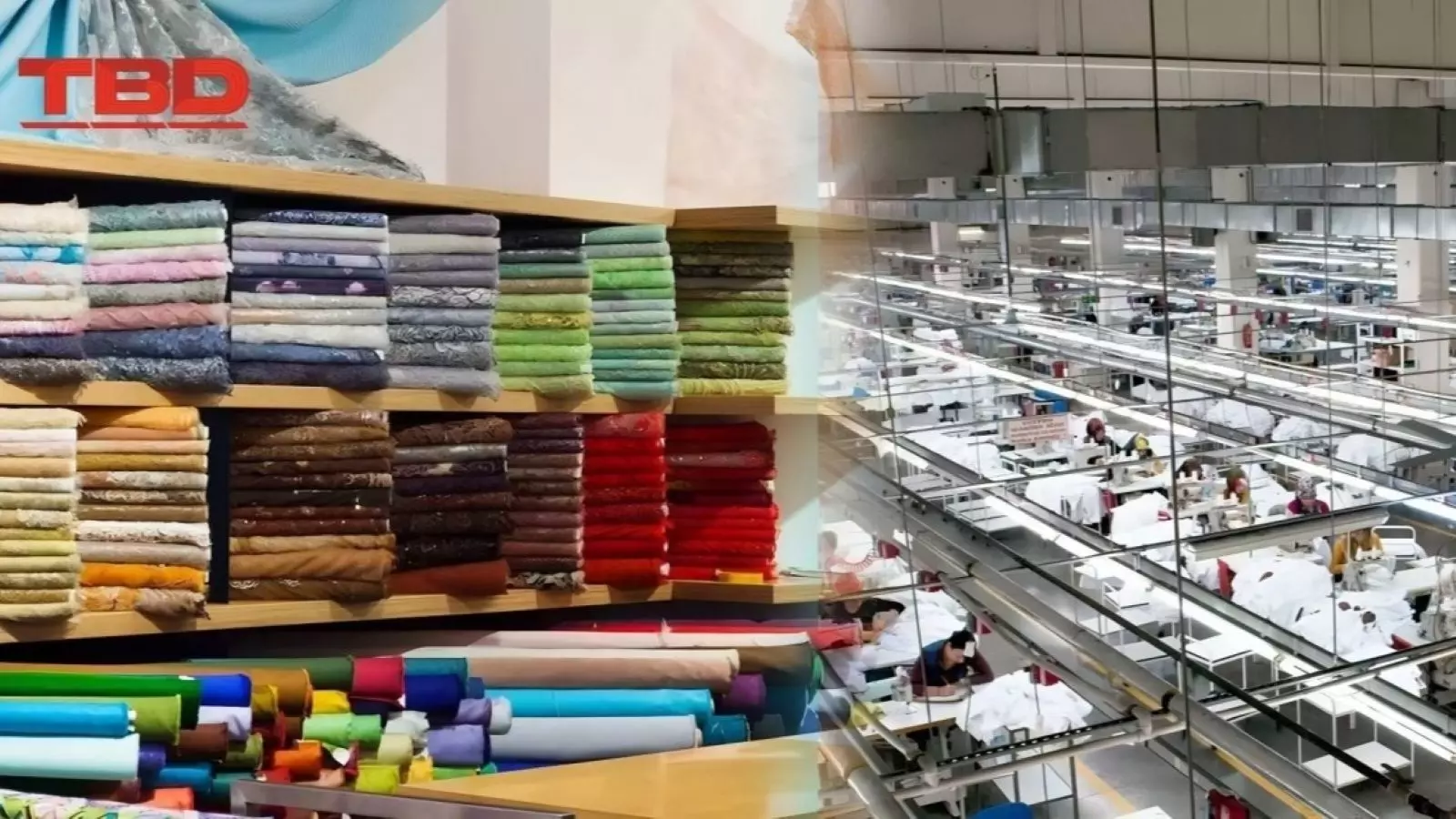
Surat, which commands a dominant share of India’s polyester fabric output, views the potential disruption as a chance to strengthen its presence in global markets. Over the past few years, the region has steadily expanded capacity across weaving, processing, and garmenting, backed by new textile parks and infrastructure upgrades.
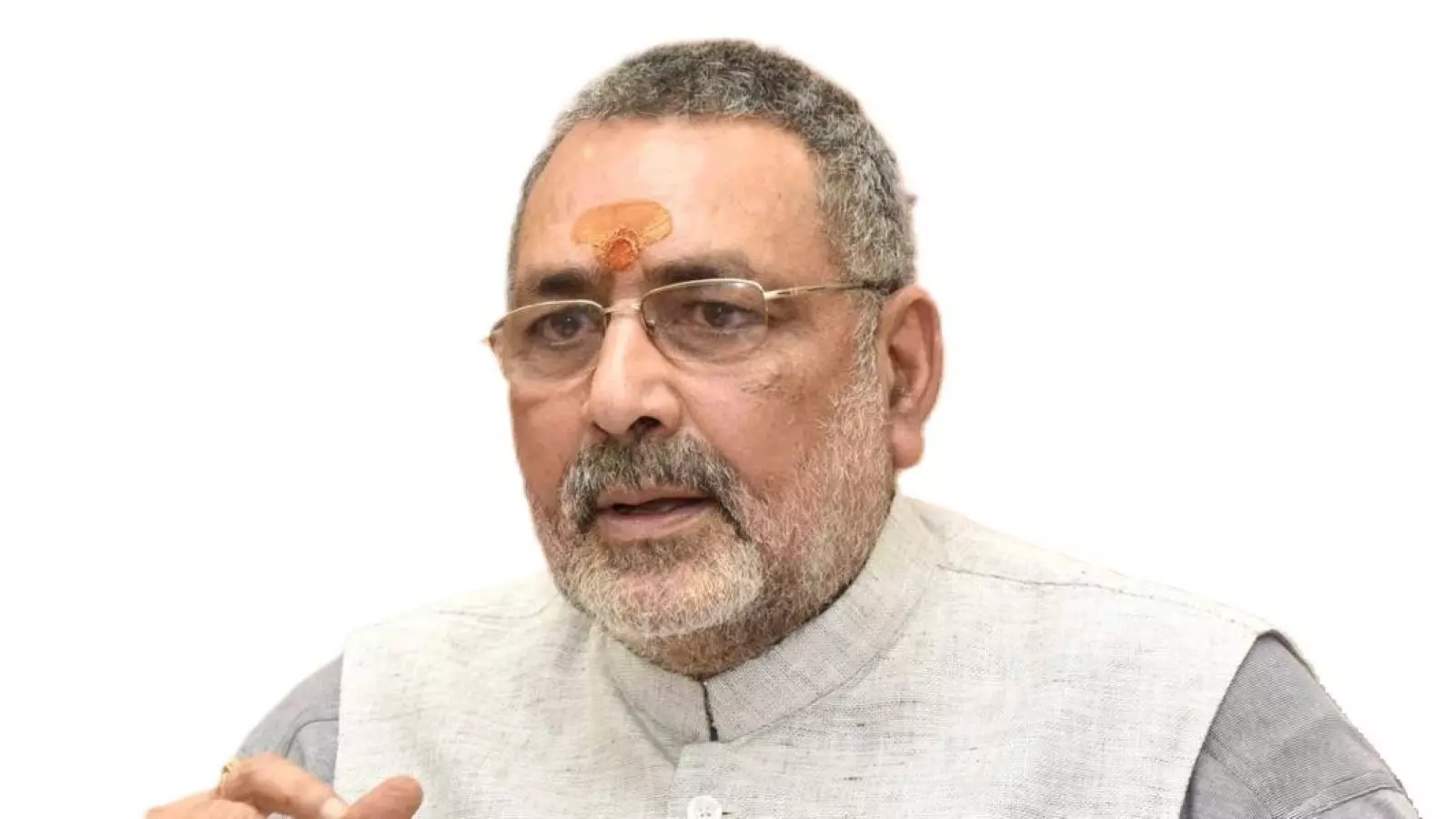
According to Kailash Hakim, President of the Surat Federation of Textile and Trade Associations, the turmoil in Bangladesh could tilt buyer sentiment towards India. He pointed out that political uncertainty and operational risks in the neighbouring country may encourage global brands to diversify sourcing, while also highlighting the consistent quality and reliability of Indian yarn and fabrics.
Key factors working in Surat’s favour include:
- Strong polyester and synthetic fabric base
- Growing garmenting and value-added capabilities
- Improved logistics and industrial infrastructure
- Rising global confidence in Indian textile quality
Bangladesh’s dependence on imported fabric owing to limited domestic manufacturing beyond garment assembly adds another layer to the opportunity for Indian exporters. Any prolonged disruption could push international buyers to seek alternative suppliers, with Surat well-positioned to step in.
At the same time, industry stakeholders are urging further support at home. Calls have intensified for a dedicated research and development centre in Surat, aimed at boosting innovation, technical textiles, and advanced garmenting skills. Government and private investments in training and infrastructure are already underway to enhance India’s global textile footprint.
However, the situation remains fluid. Reports suggest that negotiations between the BTMA and Bangladeshi authorities are ongoing, with temporary rollbacks on closures being discussed. Concerns over job losses and broader economic fallout have also sparked debate within Bangladesh.
For now, Surat’s textile sector is cautiously optimistic ready to seize export gains if supply chains shift, yet aware that the final weave of this cross-border story is still taking shape.
04:37 PM, Jan 30




1.webp)
1.webp)








.png)




31.PNG)

31.PNG)

51.PNG)
41.PNG)

1.PNG)

1.PNG)